
The Traveler’s Secret to Calm: Why Sensory Regulation is the Ultimate Packing Essential
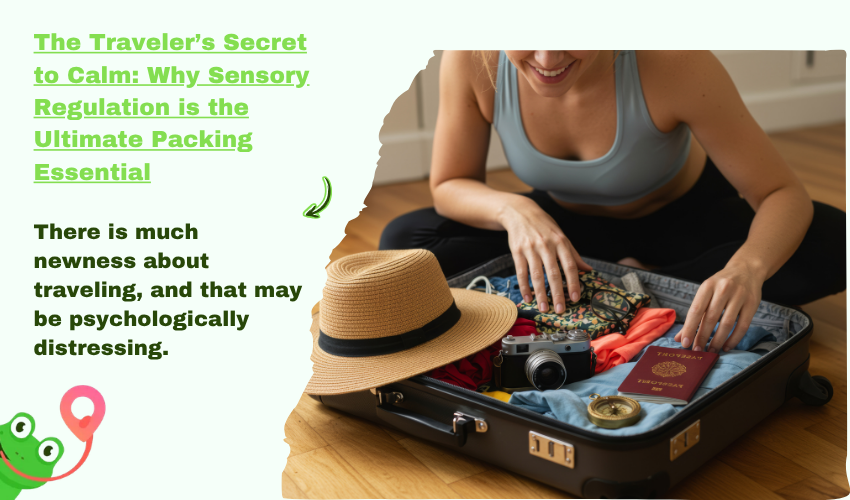
To a lover of the open road, the exhilaration of a new destination, travel is the greatest adventure. To a child, however, with a sensitive nervous system, the mechanics of travel, may be less an adventure than a sensory overload. A long ride in a car, the unpredictable nature of airplane food, and the sheer outworniness of the jet engines can push a child to the extreme in regulation.
In Australia, there is a rising trend of mobile families and frequent flyers finding out that the key to a good itinerary lies not only in a good map, but also in a good sensory kit. Parents are discovering how to use high-stress travel days by focusing on sensory toys australia as a means of grounded, focused exploration.
The Science of “In-Flight” Grounding
When we move we can lose our senses of reference. We are not sitting in our regular seats and eating our regular meals. This lack of sameness may cause a child to feel floaty or disorganized. This neurologically consists of an absence of proprioceptive information- the information on where the body is in space.
It is important to have a physical outlet in these transitions. As the child plays with quality sensory toys Australians are heavily working the nervous system. The compression of the lap pad or the crunching of a biting object sends soothing messages to the brain because of the deep pressure. It is the physical version of the safety harness, where the child feels safe despite his or her ever-changing environment.
Solving the “Transit Fidget”: From Chaos to Focus
We have all encountered the irritable passenger–the child who cannot keep still kicking the seat ahead of him or who appears to be moving around all the time. In many cases, this is not naughty behavior; it is a desperate effort on the part of the body to achieve stimulation in a tight, inhibiting condition such as an airplane seat or the booster of a car.
This energy is converted by the right sensory tools. Rather than disruptive movements, a child can use a discrete, high-resistance fidget to provide input to his or her body. This active sitting satisfies the brain enabling the child to relax into a book, movie or a travelling game. By satisfying the sensory need in advance we empty the nerve-spinning jammer, and we come as pleasurably as we arrive to reach our goal.
Psychology of the Comfort Item
There is much newness about traveling, and that may be psychologically distressing. A sensory tool gives a steady and known feeling of touch independent of the GPS position. It is the same touch or feel, be it in the busy lobby of a hotel in Sydney or a lonely camping site in the outback.
Such consistency creates an agentic feeling. When a child knows that he is anxious about the delay of the flight and he picks up his stress relieving sense maker, he is learning how to regulate himself. They are getting to know that they can learn to control their emotions as well, a necessary skill which is worth more, perhaps than any souvenir you might purchase.
Portability and Discretion: Road Design
An excellent traveling device should be both strong and inconspicuous. Nobody wants to carry a huge-looking piece of equipment that occupies a good carry-on space. Contemporary sensory design has swung towards lifestyle-edged tools.
Wearable Tech: Sensory pendants and bracelets (also known as chewelry) appear as sleek accessories, but offer immediate oral-motor or tactile control.
Quiet Fidgets: Fidgets are made of medical-grade silicone and offer massive resistance, but without making noise, which is ideal when you need to be quiet in a cabin or when you share a hotel room with others.
Textured Toppers: Basic pencil or pen toppers that offer a tactile experience when in the journaling period at the airport gate.
Creating a “Travel Sanctuary”
You do not require a special kit to each destination, you only have to be aware of the most stressful parts of your trip which are the chapters.
The Takeoff/Landing: This is the most critical process of the sensory change (pressure, noise, vibration). It is a good idea to have a resistive chew device or a textured fidget available to a child so that they can anchor through the transition.
The Long Sit: In long periods of sitting, heavy work is your best companion. Resistive tool squeeze will keep the muscles active and the brain on high alert.
The New Hotel Room: When you arrive, allow your child 10 minutes of exclusive sensory play using his or her favorite tools to make the new space his or her own and relax his or her nervous system after the trip.
Quality Standards the Global Adventurer.
Since the travel tools will undergo the punishment of active children and the dirt of the road, quality is non-negotiable. Always use sensory items that are composed of medical grade materials easily cleaned with and BPA, lead and phthalate-free. A tool that lasts is not only a better investment, but a safer tool in the hands of a child who is counting on it as his or her chief regulation tool.
Conclusion: Adventure Without the Overload
After all, when it comes to travel, it is all about broadening our horizons. But in order to fully appreciate the sight we must feel at home in our skin. When we recognize the physical difficulty of the road and give the appropriate ground rules to stay calm, we empower our children to be the best people they can be- curious, resilient, and ready to face any impending challenges.
The trend to sensory-informed travel is a transition to an even more accommodating and understanding approach to world exploration. Today, when we pack the appropriate sensory anchors, our family adventures will be characterized by connection and discovery, and not by stress and stasis.
