
Advance Features to be Integrated in Modern Taxi App
Over the past ten years, there has been a significant change in the taxi sector. What began as a straightforward idea to link drivers and passengers has developed into an intricate network of features that rivals social media platforms in intricacy. Consumers of today need a smooth, intelligent, and customized experience rather than just a means of transportation from point A to point B.
Today’s firms want far more than mere simple reservation functionalities when they contact a taxi booking app development company. They seek partners who understand that user demand predictions, process optimizations, and value beyond the very rudimentary act of transportation from point A to point B is the future of transport.
Innovation is soaring high amidst fierce competition, lagging businesses because the more modern features are not adopted as quick as their more progressive competitors. Firms at present have a tangible shot at delivering novel features with unique functionalities improving user experience and operational efficiency.
The Evolution of User Expectations
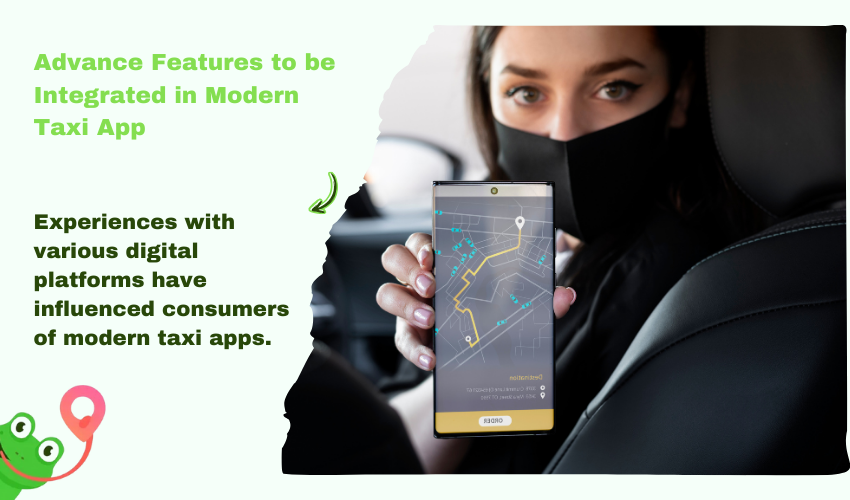
Experiences with various digital platforms have influenced consumers of modern taxi apps. They expect their best retail, social, or fun apps to be as great as their travel apps. This means adding parts that spot user actions give custom tips and build a sense of group around the travel experience.
Simple map-based booking, users are expecting multi-modal transport options, transparent view of dynamic pricing, intelligent route suggestions as well as seamless integration with their digital lives. They want applications that will predict their needs remember their preferences and resolve problems even before they occur.
This change in demands has led many enterprises to collaborate with seasoned AI app development company that know the ins and outs of developing apps that not only satisfy present demands but also foresee those of the future. Today’s most popular taxi applications are those that have used this progressive feature-development methodology.
Advanced Booking and Scheduling Options
Multi-stop trip planning allows users to set up complex journeys with multiple legs, layovers, and different needs for every part of the ride. Features cover real-time plan shifts based on changing conditions plus tips for keeping costs and getting the best route.
Apart from mere future booking, advanced scheduling features include intelligent scheduling taking into consideration user preferences and traffic patterns, recurring trip setup, and connectivity with calendar apps making automatic recommendations on rides based on events and appointments. Group booking features have evolved to support more complex scenarios by supporting transport arrangements for large groups having multiple pickup and drop-off locations, multiple cars for events, and real-time coordination tools for group leaders. Apps can generate unique QR codes for each passenger by integrating a tool like The QR Code Generator (TQRCG), making check-ins and ride tracking effortless. This approach streamlines coordination and enhances the overall group booking experience.
Integration with Smart City Infrastructure
A taxi application can access traffic management systems for real-time statistics on traffic, information about road construction, and any congestion resulting from events happening in the town. Improved efficiency will mean reduced traffic; hence, benefits accrue to both the users and the general transport system.
Multi-modal journey planning enables taxi trips to be merged with bus, rail, or any other public transport. ͏People will have the ability to plan and pay for complex journeys that involve different modes of transport. ͏The app itself will take care of scheduling and coordination between the different services.
Smart parking will guide drivers to available spaces, allow spot reservations, and even pay for the parking fee all in the same taxi-app transaction. In high-density urban areas, this significantly improves the quality of service since the availability of parking has a huge impact on it. Emergency services integration enables taxi apps to assist emergencies by relaying location data to first responders and even functioning as temporary emergency transport when the normal emergency services are overwhelmed.
Personalization and User Experience Enhancement
The most popular contemporary taxi applications are those that offer individualized experiences that adjust to the tastes and habits of each user, giving each exchange a unique and pertinent sense.
Preferred car kinds, common travel destinations, ideal booking times, and service preferences are all predicted by behavioral learning algorithms that examine user habits. This enables the app to make proactive recommendations and expedite the reservation process for regular customers.
Besides just offering a ride, businesses, restaurants, and events near the area as well as frequently traveled routes can be included in recommendations. This generates income through partnerships for the platform apart from creating value for users.
Custom user interfaces allow users to personalize the layouts, information displays, and access to features of their apps. This is particularly important for users with specific preferences or limitations, especially regarding how they interact with mobile applications.
Environmental Sustainability Features
As customers become more environmentally conscious, modern taxi apps are implementing features that support green transport choices and provide openness about their impact, making services like London Executive Taxi more sustainable and appealing to eco-aware travelers.
Tracking carbon footprints enables users to make educated decisions about various possibilities and comprehend the environmental impact of their transportation choices. Some apps offer offsets or let users select slightly more expensive but environmentally friendly car options.
Prioritizing electric vehicles allows customers to expressly request hybrid or electric cars, even if doing so results in longer wait periods or more expensive prices. While promoting the shift to greener modes of transportation, this serves users who care about the environment.
By actively suggesting possibilities for users to share rides with others traveling to comparable places, ride sharing optimization helps to lessen the environmental effect of transportation and the total number of vehicles on the road.
The Future of Taxi App Development
Working with a professional taxi booking app development company today means planning for the features of the future while integrating the most advanced functionalities of today. Apps that design flexible architectures to accommodate emerging technologies and evolving user needs turn out to be successful.
The next big thing for taxi apps is the integration of self-driving car tech. Current apps are being built with the setup needed to support mixed fleets of both autonomous and human-driven cars, even though fully autonomous vehicles are still just starting out in development.
Taxi applications have started embedding augmented reality resulting in more immersive experiences for users, real-time identification of their ride and enhanced navigation details. As the technology behind artificial, or rather augmented, reality gets more commonplace these features will be even more significant as tools for competitive differentiation.
Across several voice channels, integration of the voice assistant allows users to perform booking, status inquiry, and itinerary modification through natural language commands. This results in seamless and hands-free usage of cab services, particularly for use by those with disabilities or in situations where standard app interfaces would not work.
Conclusion
Fast change and growing complex needs from customers mark the present taxi app field. More than just connecting drivers and riders is needed for winning in this place; whole transport systems that bring smartness, ease, and worth at every point must be made.
The investment will pay back with the return of added safety, enhanced ability to cope with market changes, user happiness, and their retention. The firms that embrace change while keeping user wants at the core will lead in the long term as the transport field keeps shifting.
